
The sweetener aisle has never been more crowded — stevia, erythritol, sucralose, aspartame, xylitol, allulose, and now monk fruit. With so many choices, how do you know which one actually deserves a place in your kitchen? Let’s break it down, compound by compound.
The Quick Comparison
Before we dive into the details, here’s the full picture at a glance:
| Sweetener | Source | Calories | GI | Aftertaste | Gut Friendly |
|---|---|---|---|---|---|
| Monk Fruit | Fruit extract | 0 | 0 | ✅ None | ✅ Yes |
| Stevia | Plant leaf | 0 | 0 | ❌ Bitter | ✅ Yes |
| Erythritol | Fermented glucose | ~0.2/g | 0 | ⚠️ Cooling | ⚠️ Mixed |
| Xylitol | Birch / corn fibre | 2.4/g | 7 | ⚠️ Cooling | ❌ Laxative |
| Sucralose | Chlorinated sugar | 0 | 0 | ⚠️ Chemical | ❌ Disrupts |
| Aspartame | Synthetic amino acids | ~0 | 0 | ❌ Metallic | ❌ Concerns |
Monk Fruit vs. Stevia
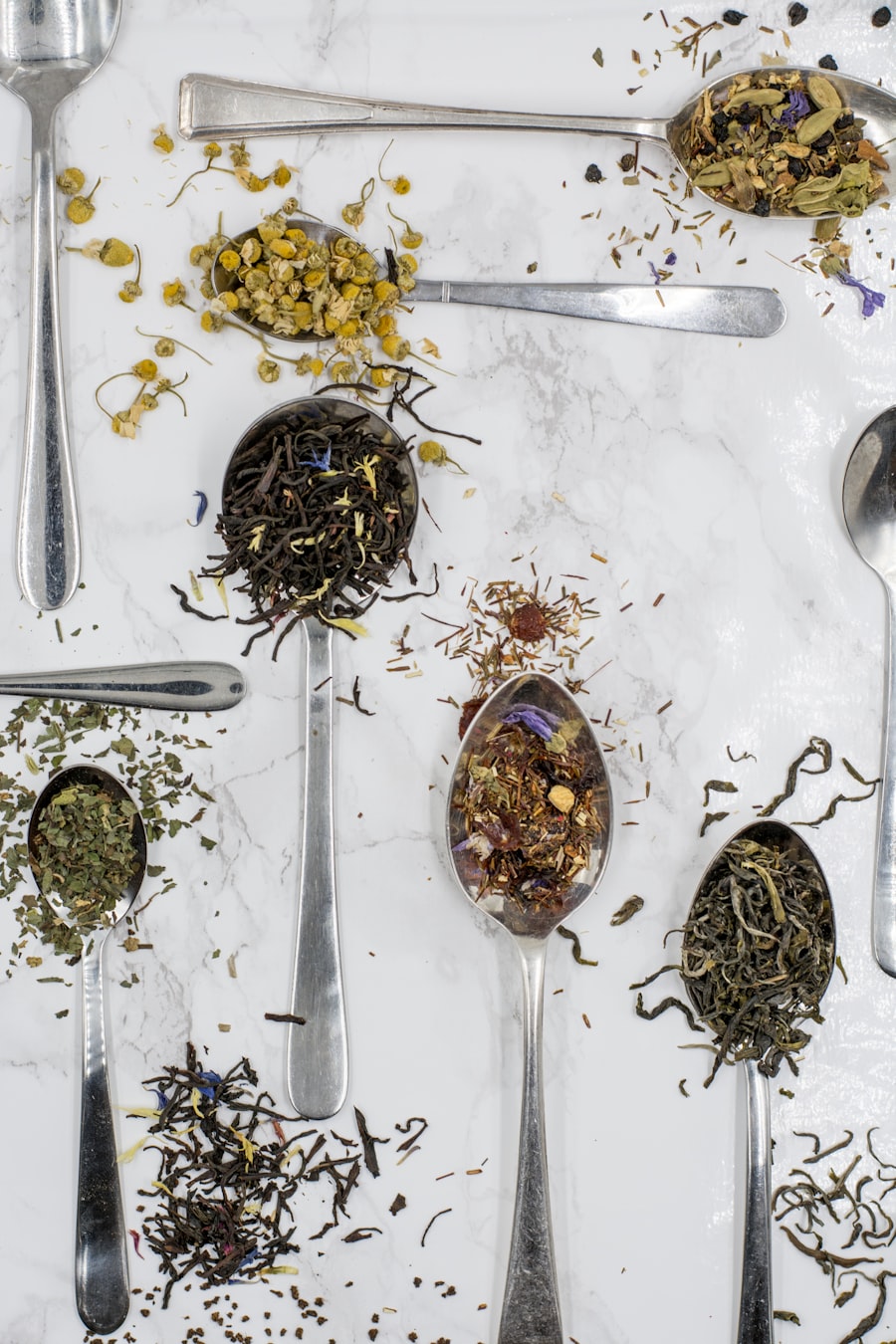
Stevia and monk fruit are often grouped together as “natural zero-calorie sweeteners,” and they do share some similarities. Both come from plants, both have zero glycemic impact, and both have been used in traditional medicine for centuries.
But there’s a meaningful difference in taste. Stevia’s sweetness comes from steviol glycosides, which activate both sweet and bitter receptors on the tongue. This is why many people experience a lingering bitter or liquorice-like aftertaste, especially at higher concentrations. Monk fruit’s mogrosides, by contrast, bind primarily to sweet receptors, producing a cleaner, rounder sweetness without bitterness.
Verdict
Both are solid natural choices. If aftertaste sensitivity is a factor — especially in beverages — monk fruit wins. In applications where stevia is used in very small amounts (like a single packet in tea), the difference is minimal.
Monk Fruit vs. Erythritol
Erythritol is a sugar alcohol that’s become extremely popular in keto and low-carb products. It has nearly zero calories and doesn’t spike blood sugar, which puts it in the same functional category as monk fruit. Many commercial monk fruit products actually use erythritol as a bulking agent.
The issue? A 2023 study published in Nature Medicine raised concerns linking erythritol to increased cardiovascular risk, specifically elevated platelet reactivity and clotting. While the study had limitations and more research is ongoing, it was significant enough to make health-conscious consumers reconsider pure erythritol products.
Erythritol can also cause a noticeable “cooling” effect on the palate and, in larger quantities, digestive discomfort including bloating and gas.
Verdict
Monk fruit has a cleaner safety profile. If you’re using erythritol-blended products, look for those where monk fruit is the primary sweetening agent and erythritol is minimal. Or better yet, go with a pure monk fruit liquid like MonkVita that contains no erythritol at all.
Monk Fruit vs. Sucralose (Splenda)
Sucralose is made by chemically modifying sugar molecules — specifically, replacing three hydroxyl groups with chlorine atoms. This makes it about 600× sweeter than sugar with zero calories. It’s been widely used in diet drinks and processed “sugar-free” foods for decades.
However, research has increasingly raised red flags. Studies have shown that sucralose can disrupt gut microbiome composition, may impair glucose and insulin responses, and breaks down into potentially harmful compounds when heated. A 2023 study in the Journal of Toxicology and Environmental Health found that sucralose-6-acetate, a metabolite, is genotoxic — meaning it can damage DNA.
Verdict
This isn’t close. Monk fruit is a natural extract with antioxidant properties and no documented adverse effects. Sucralose is a synthetic compound with a growing body of concerning research. For anyone prioritising long-term health, monk fruit is the clear choice.
Monk Fruit vs. Aspartame
Aspartame (found in Equal, NutraSweet, and most diet sodas) has been one of the most studied — and most controversial — food additives in history. In 2023, the WHO’s International Agency for Research on Cancer classified aspartame as “possibly carcinogenic to humans” (Group 2B).
Beyond the cancer debate, aspartame is known to cause headaches in sensitive individuals, has a distinctly metallic aftertaste at higher doses, and breaks down in heat (making it unsuitable for baking). It’s also contraindicated for people with phenylketonuria (PKU).
Verdict
Monk fruit has none of these issues — no carcinogenicity concerns, no heat instability, no population restrictions, and no metallic aftertaste. It’s the cleaner, safer, and better-tasting option by every measure.
What About Honey, Jaggery, and Coconut Sugar?
These are often marketed as “natural” and “healthier” alternatives to white sugar — and they are marginally better in that they contain trace minerals. But make no mistake: they are still sugars. Honey has a glycemic index of ~58. Jaggery comes in around 84. Coconut sugar sits at approximately 54.
If your goal is metabolic health, blood sugar management, or weight loss, these “healthier sugars” still trigger insulin responses, still add calories, and still contribute to the same metabolic cycle. Monk fruit sidesteps all of this entirely.
The Final Picture
No sweetener is perfect for every situation. But when you weigh taste quality, safety profile, metabolic impact, gut health, and versatility, monk fruit stands in a category of its own. It’s the only widely available sweetener that is naturally derived, truly zero-calorie, zero-glycemic, free of documented side effects, and pleasant-tasting across a wide range of applications.
That’s why MonkVita exists — to give you access to pure, high-quality monk fruit extract without the erythritol fillers, maltodextrin bulking agents, or artificial additives that compromise most competitors.