
Making the switch from refined sugar doesn’t mean giving up sweetness. Monk fruit sweetener is nature’s zero-calorie gift — and once you know how to use it, it fits seamlessly into everything from your morning cup of coffee to your evening dessert.
1. Your Morning Coffee & Tea
If your day starts with a steaming cup of coffee or chai, monk fruit sweetener is the simplest swap you can make. Unlike stevia, which often leaves a bitter aftertaste, monk fruit dissolves cleanly and complements the natural flavour profile of your beverage without overpowering it.
MonkVita liquid drops are especially convenient here — just 3–4 drops replace a full teaspoon of sugar. Because it’s a concentrated liquid, it blends instantly into both hot and cold drinks with no gritty residue.
Pro Tip
Start with fewer drops than you think you need. Monk fruit is 150–200× sweeter than sugar, and your palate will adjust within days. Most people end up using even less over time.
2. Smoothies & Protein Shakes
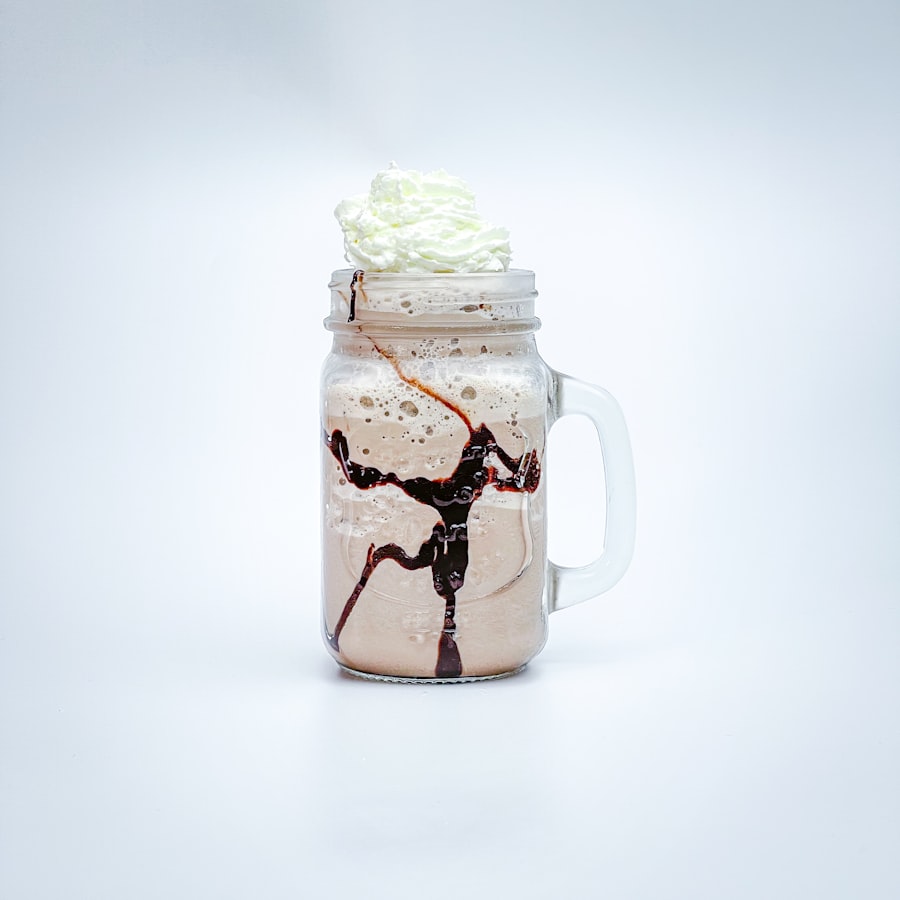
Smoothies are one of the best vehicles for monk fruit sweetener. Whether you’re blending a post-workout protein shake or a green detox smoothie, a few drops of monk fruit liquid can balance out the bitterness of spinach, matcha, or unsweetened cocoa powder — without adding any sugar or calories to your macro count.
This makes it particularly valuable for anyone tracking macros, following a keto or low-carb plan, or managing blood sugar levels. You get the taste without the metabolic cost.
3. Baking & Desserts
Baking with monk fruit requires a small learning curve, but the results are worth it. For most recipes — cookies, muffins, pancakes, and cakes — you can replace sugar with a monk fruit granulated blend at a 1:1 ratio. The key difference: monk fruit doesn’t caramelise the same way sugar does, so your baked goods will be slightly lighter in colour.
For traditional Indian sweets like kheer or sheera, the liquid form works beautifully. Add it after the cooking process (off the heat) to preserve its sweetness, since monk fruit is heat-stable but tastes best when not subjected to prolonged high temperatures.
Baking Hack
Monk fruit doesn’t provide the same “bulk” as sugar. In recipes where volume matters (like cakes), add a tablespoon of yoghurt or an extra egg white to maintain structure and moisture.
4. Salad Dressings & Sauces
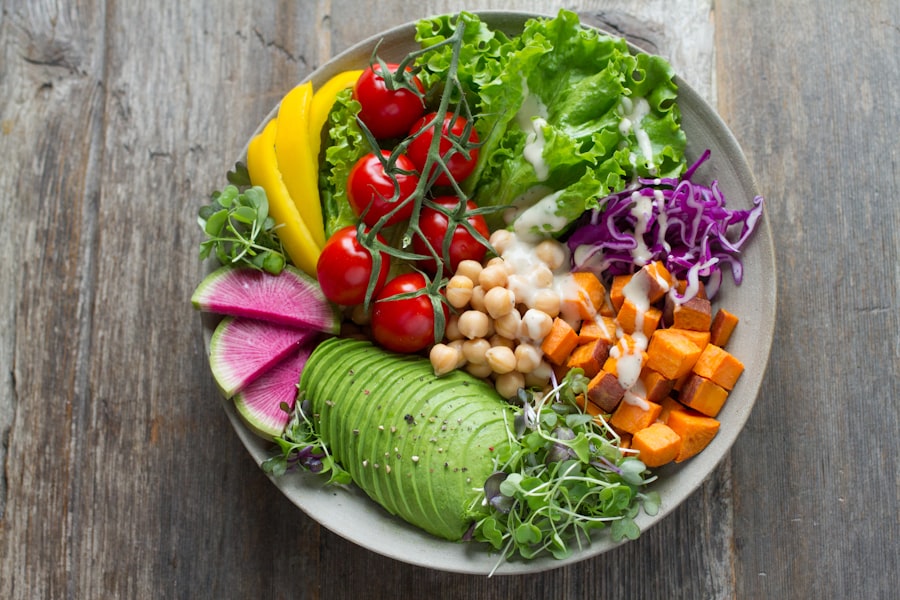
Here’s one most people don’t think about — sauces and dressings often contain a surprising amount of hidden sugar. A single tablespoon of store-bought balsamic vinaigrette can pack 3–5 grams of added sugar. Making your own with monk fruit drops eliminates this entirely.
Try this simple formula: combine olive oil, lemon juice or apple cider vinegar, a pinch of salt, Dijon mustard, and 2–3 drops of MonkVita liquid. You’ll get a clean, balanced dressing with zero glycemic impact. The same approach works for marinades, stir-fry sauces, and barbecue glazes.
5. Evening Wind-Down Drinks
Golden milk, herbal teas, warm lemon water — these are staples of a good nighttime routine. Monk fruit adds just enough sweetness to make these calming beverages feel indulgent, without the blood sugar spike that can interfere with sleep quality.
A particularly popular combination: warm milk (dairy or plant-based), a pinch of turmeric, black pepper, a small piece of cinnamon, and 3–4 drops of MonkVita. It’s a zero-sugar golden milk that tastes rich and naturally sweet.